A roomy van can make a long Botswana road trip far more comfortable. You get space for bedding, coolers, luggage and camping equipment, without living out of a small car.
The catch is the route. A conventional 2WD van may suit the A1, inter-town travel and organised campsites, but deep sand and remote game-reserve tracks demand a different vehicle. Botswana drives on the left, and remote camping can mean long distances between fuel, water and supplies (Botswana Tourism Organisation).
This guide compares Japanese vans for touring, camping and safari access. It also explains when a proper 4x4, roof tent or guided safari makes more sense. For another route-focused comparison, see choosing a vehicle for long Botswana road trips.
Quick Answer
- Japanese vans make sense for paved touring, family camping and established campsites.
- Hiace and Caravan offer the clearest starting points for a bed-and-storage conversion.
- A Mazda Bongo Brawny suits buyers who prefer a familiar commercial-van layout.
- Noah and Voxy are better family people-movers than heavy camper bases.
- A properly equipped 4x4 remains the safer choice for deep sand and remote self-drive routes.
- Botswana Tourism Organisation recommends at least 20 litres of water per person for camping.
Botswana Trip Planning
In 2026, the Botswana Tourism Organisation’s Self-drive Camping guidance recommends at least 20 litres of water per person. Your route should therefore decide the vehicle, equipment and payload before the sleeping layout. Paved touring, campsite travel and remote safari are three very different jobs.
Paved inter-town touring
For travel between Gaborone, Francistown, Maun, Kasane and other major centres, comfort matters most. Air-conditioning, luggage space, seating, fuel range and easy servicing may matter more than ground clearance.
A people-mover such as the Noah, Voxy or Alphard can work well here. A Hiace or Caravan gives you more room for beds, storage boxes and bulky camping equipment.
Campsite-based travel
A van can be a useful campervan base when the campsite is reached by tarred road or established gravel. Sleeping inside can improve comfort, especially during windy or cold nights, but ventilation and heat management need careful planning.
The conversion also consumes payload. Passengers, water, food, bedding, fuel, a fridge and recovery equipment add weight quickly. What looks like an empty cargo area may become crowded once the trip is properly equipped.
Remote self-drive safari
Remote routes change the decision. In 2026, the same Botswana Tourism Organisation guidance warns that some areas are accessible only by four-wheel drive, with heavy sand and limited supplies possible.
The guidance recommends 50–100 litres of water for desert destinations and at least 100 litres of petrol for long remote camping trips (Botswana Tourism Organisation). A standard 2WD campervan is not a sensible substitute for a prepared 4x4 on those routes.
Japanese Vehicle Fit by Use Case
The strongest conversion candidates are full-size vans, while people-movers prioritise passengers and road comfort. Toyota’s 2022 Noah and Voxy launch information also confirms that powertrain and drivetrain vary by grade, so the exact vehicle matters more than the badge.
| Vehicle |
Road touring |
Campsite travel |
Sleeping potential |
Family use |
Remote safari |
| Toyota Hiace |
Strong |
Strong |
Strong |
Conditional |
Selected 4WD versions only |
| Toyota Regius Ace |
Strong |
Moderate to strong |
Moderate |
Conditional |
Weak in standard 2WD form |
| Nissan Caravan |
Strong |
Strong |
Strong |
Conditional |
Weak in standard 2WD form |
| Mazda Bongo Brawny |
Strong |
Moderate |
Moderate |
Conditional |
Weak |
| Toyota Noah |
Very strong |
Strong at suitable campsites |
Limited |
Strong |
Weak |
| Toyota Voxy |
Very strong |
Strong at suitable campsites |
Limited |
Strong |
Weak |
| Toyota Alphard |
Very strong |
Moderate |
Limited |
Strong |
Poor for rough tracks |
| Properly equipped 4x4 |
Strong |
Strong |
Usually roof-tent based |
Conditional |
Strongest |
This is an editorial buyer-fit framework, not a manufacturer or government rating. Four-wheel drive helps, but it does not automatically provide suitable tyres, clearance, payload or recovery equipment.
Which van bodies make the strongest campervan bases?
In 2026, the selected vehicle pages show a “Dimension 16 m³” listing field for some Japanese vans; this is not the usable cargo volume. That layout gives Hiace, Regius Ace and Caravan a practical advantage over people-movers when you want an indoor bed, storage and cooking equipment.
Is the Toyota Hiace the strongest all-round base?
The Toyota Hiace is probably the strongest starting point for a touring conversion, especially when the selected version has confirmed 4WD. Its commercial van body leaves more room for a bed platform, storage boxes and camping equipment than a seven-seat people-mover.
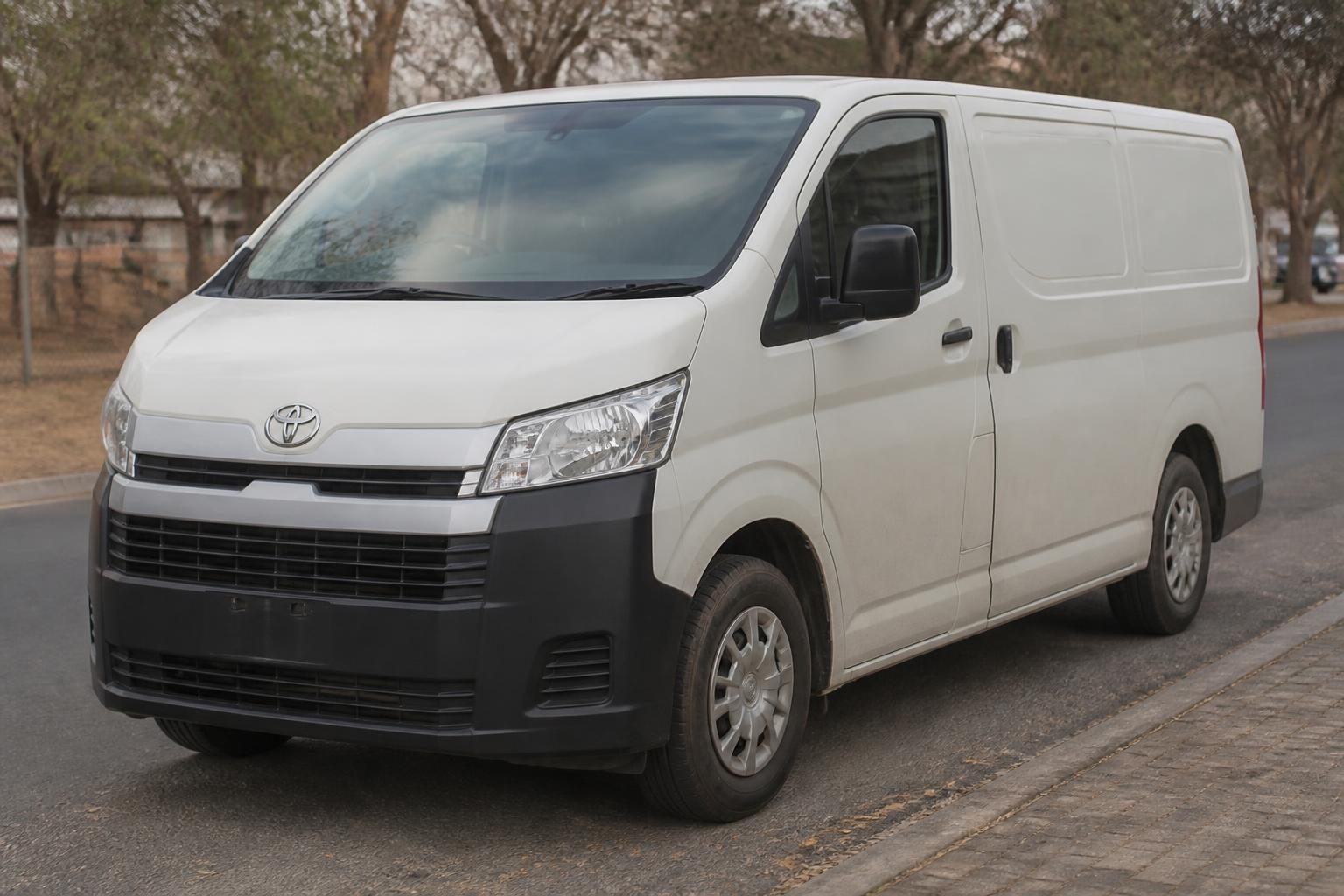 2021 Toyota Hiace
On 25 August 2026, the linked 2021 vehicle listing recorded a 2,800 cc diesel engine, automatic transmission, 4WD, 117,000 kilometres and auction grade 3.5. It also listed model code GDH206V, three seats, a 151 PS power figure and a “Dimension 16 m³” listing field, which should not be read as usable cargo volume. Four-wheel drive still needs suitable tyres, clearance, payload planning and recovery gear.
Who should consider the Toyota Regius Ace Van?
The Toyota Regius Ace Van is a useful middle-ground option for a simple bed platform and long road travel. It offers a familiar commercial-van layout for a simple bed platform and long road travel; its listed exterior dimensions should be checked against other candidates rather than assumed to be smaller.
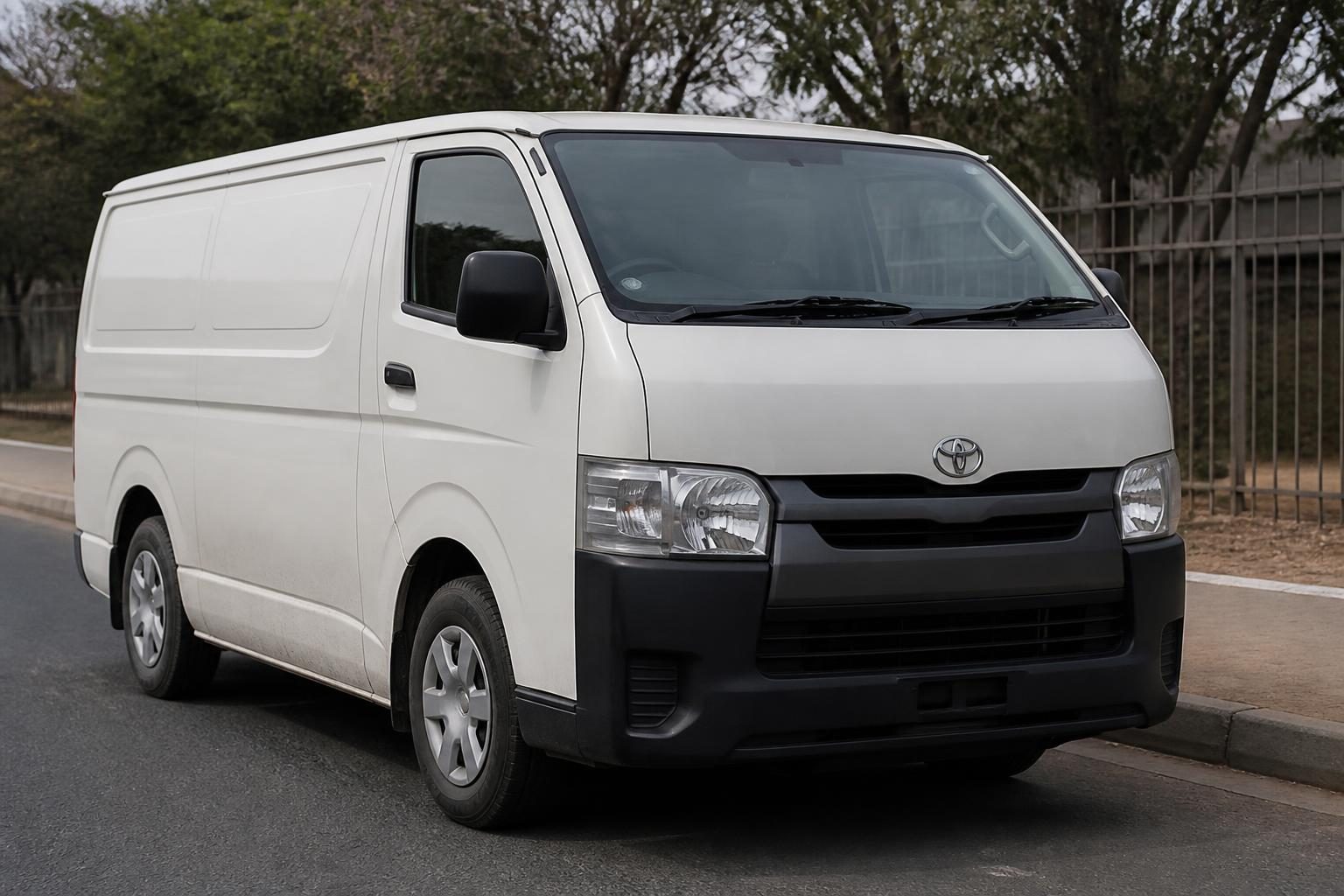 2020 Toyota Regius Ace Van
The 25 August 2026 listing recorded a 2,000 cc petrol engine, manual transmission, rear-wheel drive, 68,000 kilometres, three seats and auction grade 3.5. Its listed engine code is 1TR-FE, with a 136 PS power figure. The inspection also reported roof surface marks and clear-coat peeling, showing why condition matters even with lower kilometres.
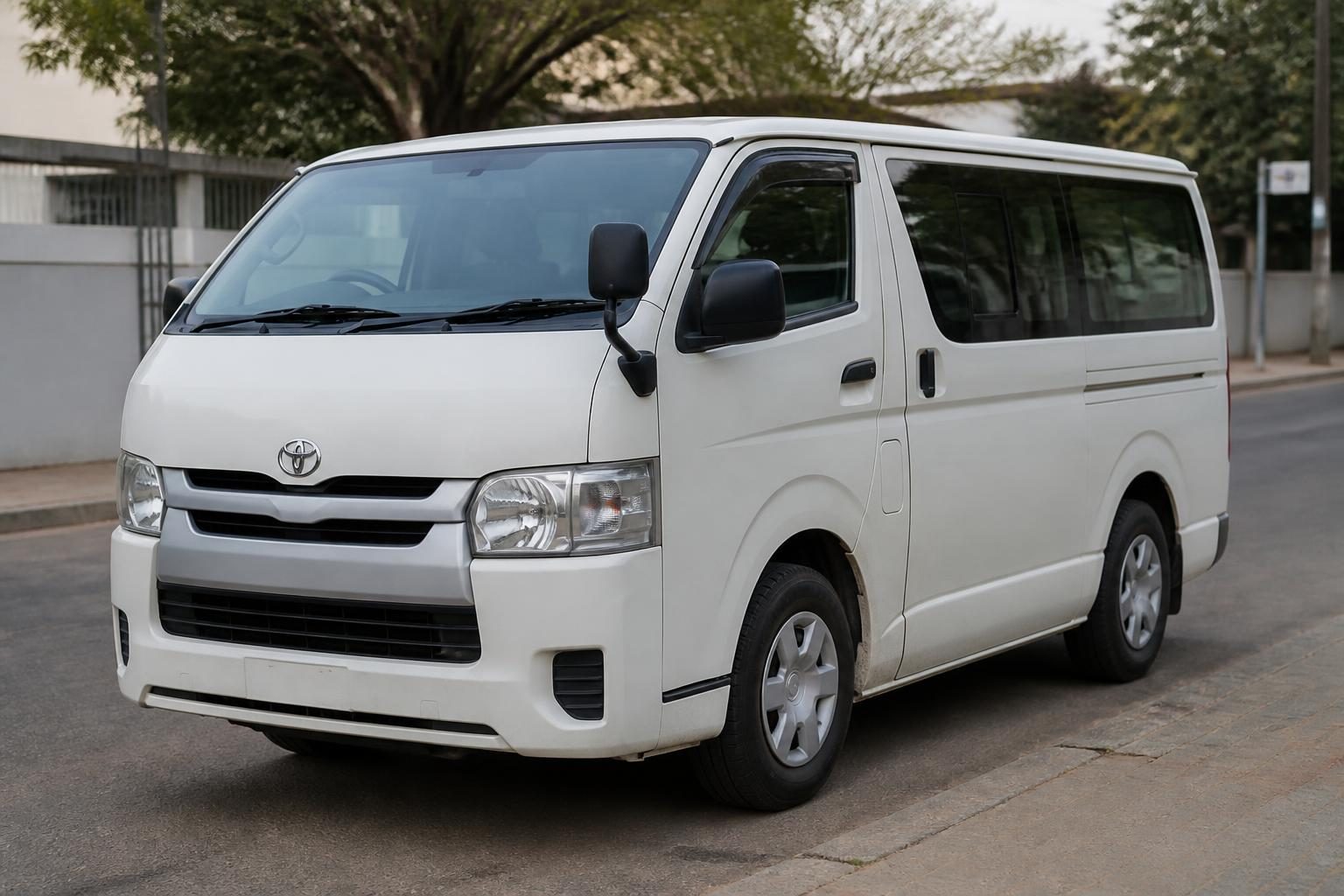 2020 Toyota Regius Ace Van
Is the Nissan Caravan a practical touring conversion?
The Nissan Caravan is worth comparing with the Hiace when usable interior space matters more than compact dimensions. Its van layout can support a simple bed, cooking equipment and storage for longer trips.
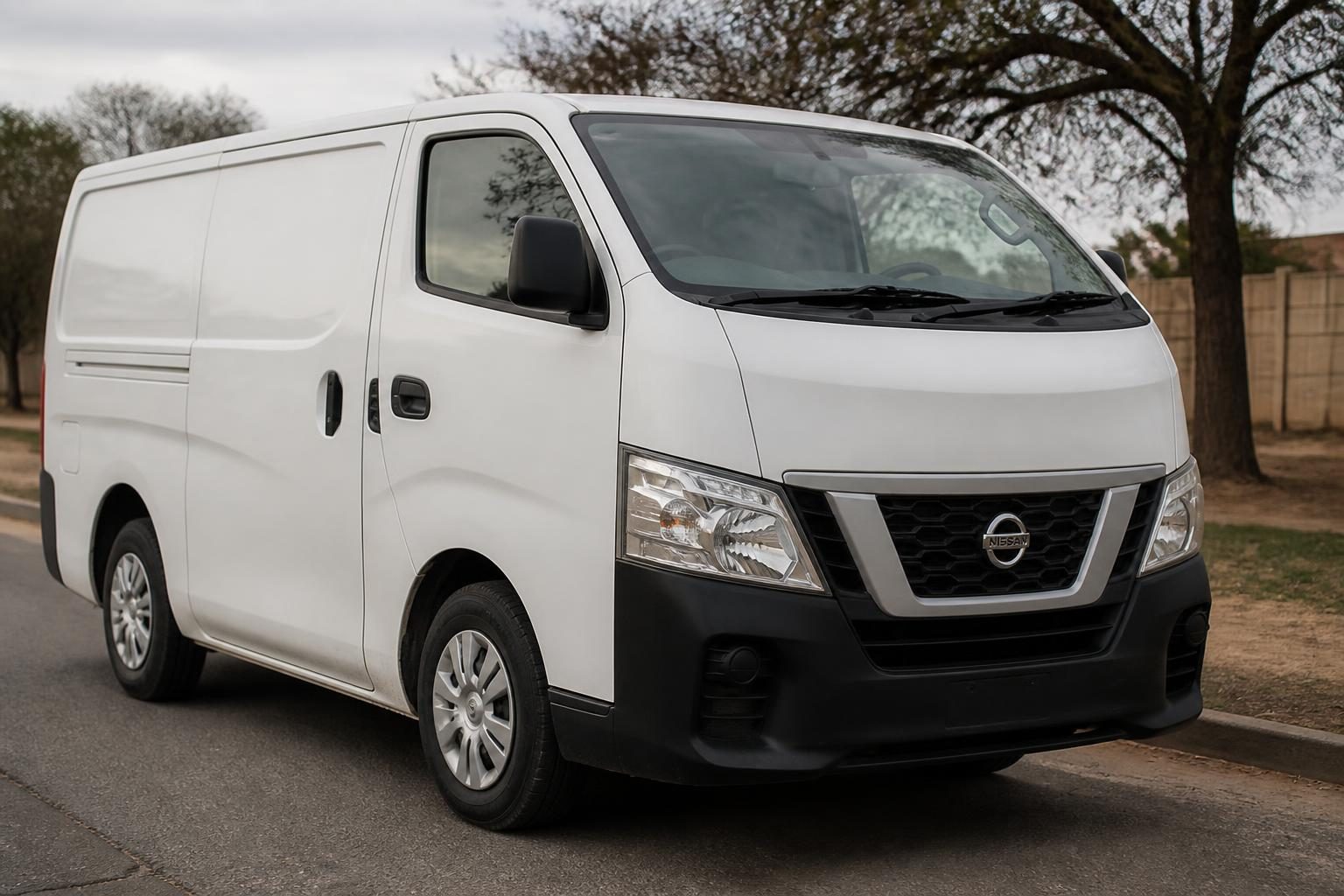 2020 Nissan Caravan
The linked page, checked on 25 August 2026, recorded a 2,500 cc diesel engine, automatic transmission, rear-wheel drive, 119,000 kilometres and grade 3.5. It listed engine code YD25DDTi, a 129 PS power figure, a 3,050 mm cabin length and a clean underbody. Front tread was listed at 4 mm, so tyre replacement may need budgeting.
Does the Mazda Bongo Brawny suit a simple conversion?
The Mazda Bongo Brawny Van suits buyers who value a familiar commercial-van layout for urban driving and campsite travel. The Carbarn listing uses the misspelling “Bongo Blony”, but Mazda’s official model name is Bongo Brawny Van (Mazda).
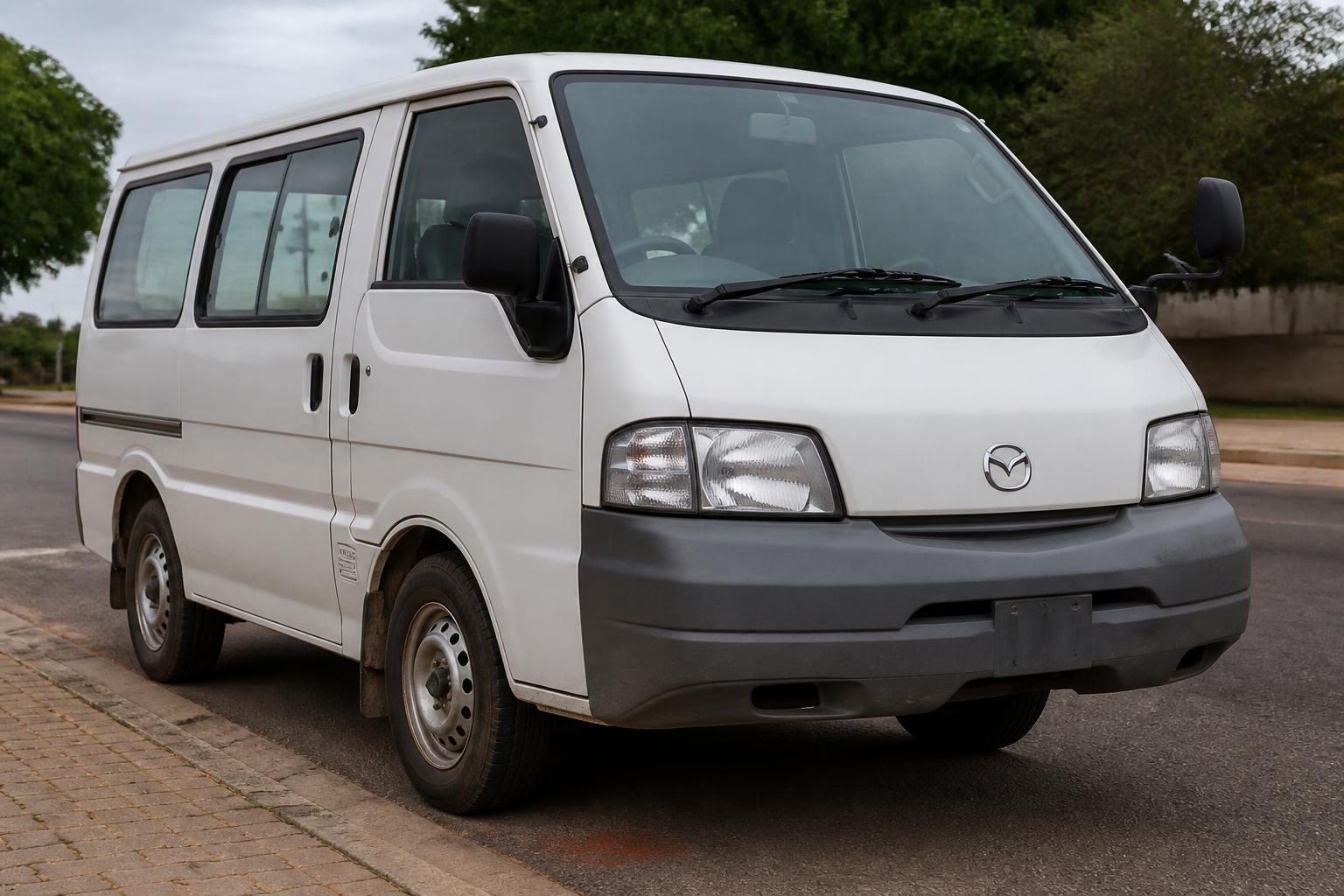 2021 Mazda Bongo Brawny Van
The 25 August 2026 page recorded a 2,000 cc petrol engine, automatic transmission, rear-wheel drive, 31,779 kilometres, grade 4 and engine code 1TR-FE. It listed a 136 PS power figure and a “Dimension 16 m³” listing field. That field is not the usable cargo volume, so exact wheelbase, interior dimensions and payload need checking.
 2021 Mazda Bongo Brawny Van
Are Noah, Voxy and Alphard better for family touring?
Toyota’s 2022 Global Newsroom release (Toyota) lists the Noah X 2WD hybrid at 23.4 km/L on the WLTC test cycle. That figure applies to a specified new Japan-market version, not every used import, but it shows why these vehicles suit family road travel more than heavy conversions.
Is the Toyota Noah suitable for family camping?
The Toyota Noah is a strong family touring choice, but it is not a natural heavy camper conversion. Seven seats, a family-focused cabin and flexible seating work well for passengers, coolers and camping bags.
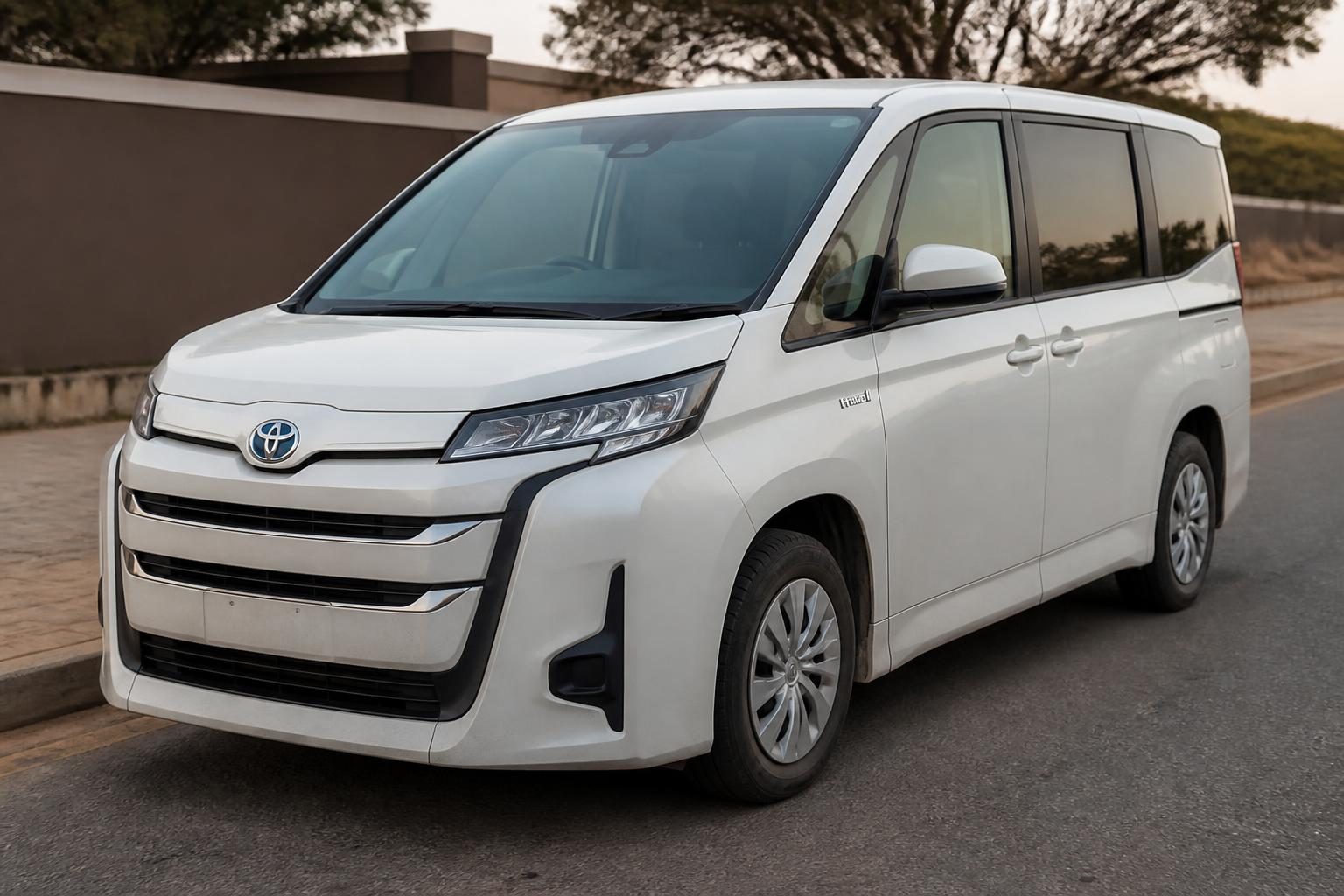 2024 Toyota Noah
The linked 25 August 2026 listing recorded a 1,800 cc hybrid powertrain, automatic transmission, front-wheel drive, 26,000 kilometres, seven seats and grade 3.5. It listed engine code 2ZR-FXE, a 98 PS power figure, a 2,805 mm cabin length and a 1,405 mm cabin height. Folded seats may support occasional sleeping, but permanent furniture reduces family usefulness.
Does the Toyota Voxy work for campsite travel?
The Toyota Voxy suits families who want flexible seating, sliding-door access and comfortable road travel. It can work at organised campsites, especially when sleeping inside is occasional rather than the main purpose.
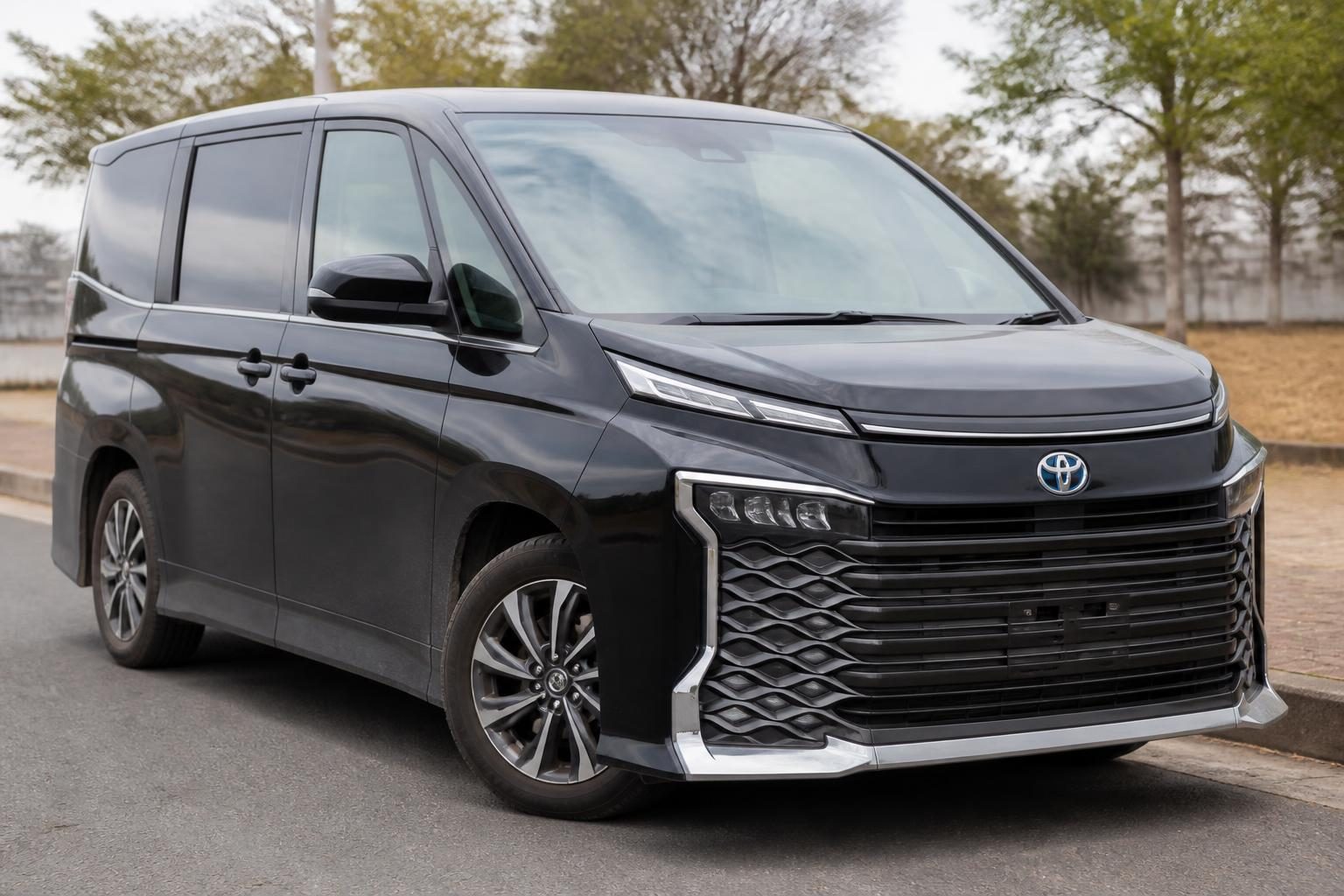 2023 Toyota Voxy
On 25 August 2026, the selected page recorded a 1,800 cc hybrid system, automatic transmission, front-wheel drive, 55,000 kilometres, seven seats and auction grade 4.5. The page lists engine code 2ZR-FXE, a 98 PS power figure and 2,805 mm of cabin length. Front-wheel drive makes it unsuitable for deep sand and remote park tracks.
Is the Toyota Alphard a campervan or a luxury people-mover?
The Toyota Alphard is mainly a comfort-focused road-trip people-mover rather than a practical expedition camper. It gives passengers a spacious cabin, but bulky equipment can quickly reduce its usefulness.
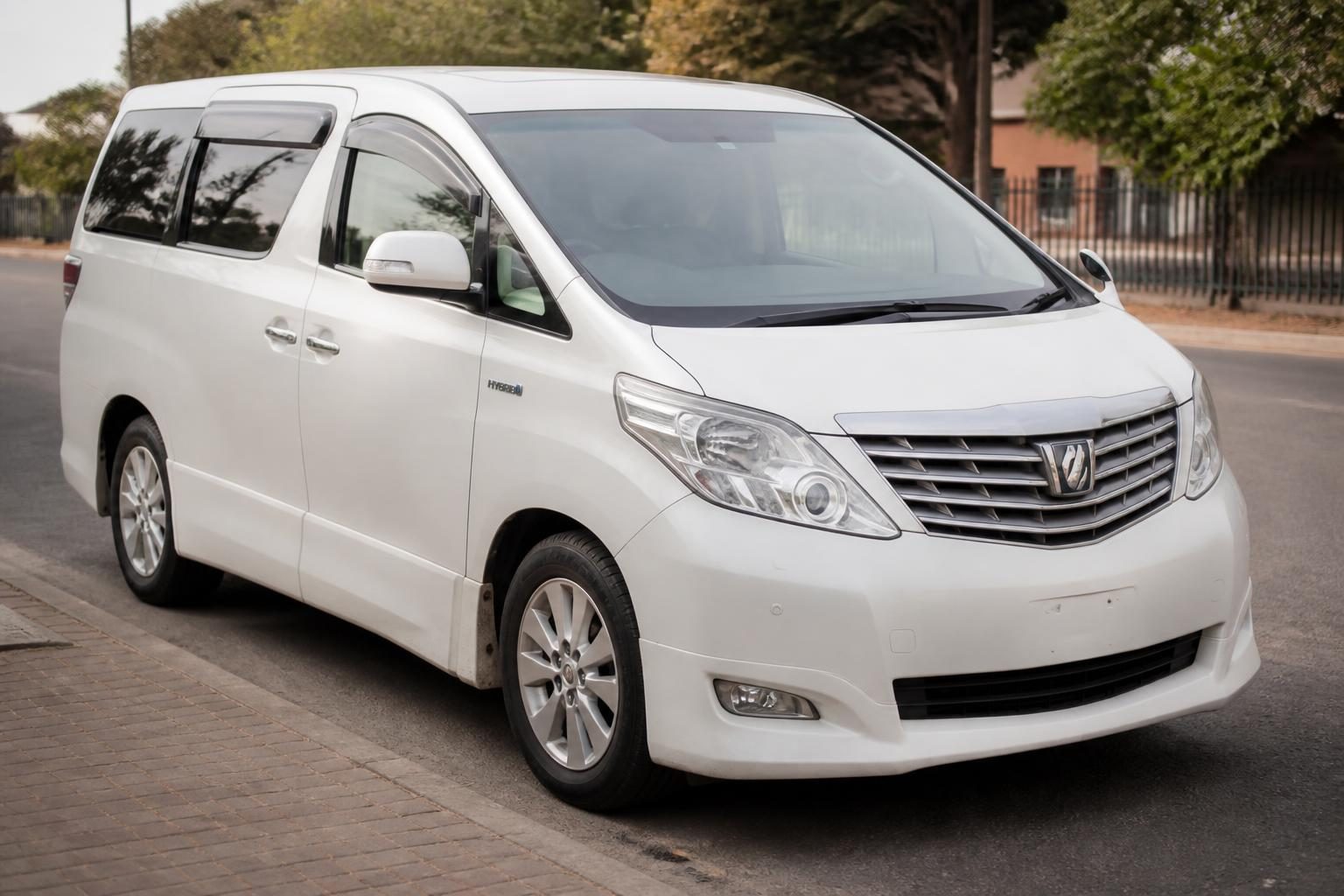 2012 Toyota Alphard
The linked listing, checked on 25 August 2026, recorded a 2,400 cc hybrid system, automatic transmission, 4WD, 135,000 kilometres, seven seats and grade 4. It listed engine code 2AZ-FXE, a 150 PS power figure, 5 mm front and rear tyre tread, and a clean underbody. Four-wheel drive improves traction, but does not make this luxury people-mover suitable for deep sand.
What should you check before importing a Japanese campervan?
In 2026, Botswana’s official registration guidance states that vehicles three years old and above require a roadworthiness test (Government of Botswana). Condition and equipment therefore matter more than age alone, even though Botswana has no general import age limit.
Check the exact drivetrain first. Confirm whether the vehicle is 2WD, rear-wheel drive, front-wheel drive, 4WD or E-Four. Then review ground clearance, tyre age, tread, underbody condition, rust, previous repairs and the vehicle’s approach and departure limits.
Read the auction sheet and inspection comments carefully. Check odometer evidence, service records where available, air-conditioning performance and the cooling system. Payload matters too. Add passengers, water, fuel, food, bedding, a fridge and recovery gear before deciding whether the conversion is realistic.
Seat-folding arrangements and roof-load limits also deserve attention. A roof tent may be unsuitable if the roof, rails or payload rating cannot support it. Confirm local parts and diagnostic support for the exact engine and transmission. See the Botswana import rules before committing.
When is a Japanese campervan not worth choosing?
In 2026, Botswana Tourism Organisation’s self-drive guidance places the national-park speed limit below 40 km/h and warns that some remote areas require four-wheel drive. A conventional van is therefore a poor choice when the route, rather than the accommodation, is the main challenge.
Skip a standard van when:
- The trip includes deep sand or remote park tracks.
- You expect a 2WD van to replace a safari-prepared 4x4.
- You have no realistic plan for water, fuel, spare tyres and recovery gear.
- Conversion weight may approach the payload limit.
- A van plus conversion costs more than a suitable 4x4 and roof-tent setup.
- You need immediate local purchase, local inspection or local warranty support.
This 2021 Toyota Hiace image illustrates a van-based touring option, not a purpose-built safari 4x4.
Which vehicle makes sense for your trip?
A simple route rule works well: the Botswana Tourism Organisation lists 120 km/h on tarred roads, 60 km/h in towns and villages, and below 40 km/h in national parks. Choose around the slowest, roughest section of your planned journey, not the fastest road.
- Paved inter-town travel: Noah, Voxy, Alphard or a 2WD van.
- Family camping at established sites: Noah or Voxy for passengers, Hiace or Caravan for more storage.
- Sleeping and storage conversion: Hiace, Caravan, Regius Ace or Bongo Brawny.
- Mixed gravel and campsite access: A confirmed 4WD Hiace deserves closer attention, subject to equipment and payload.
- Deep sand and remote self-drive safari: A properly equipped 4x4.
- Wildlife access without managing recovery: A guided safari.
The key distinction is simple. Sleeping space describes the layout. It does not describe off-road capability.
How can you compare Japanese campervan options from Japan?
The published buying process gives an estimated 24–34 day journey from purchase confirmation to arrival. Individual vehicle pages may show typical port transit of about 40 days, so confirm the current estimate for the specific vehicle. The process also involves a port and local clearance.
[ORIGINAL DATA] The selected examples show why a buyer-fit comparison beats a badge-only shortlist. The Hiace combines a commercial body with confirmed 4WD, while the Noah and Voxy offer newer hybrid family layouts with FWD. The Regius Ace and Caravan provide practical van bodies, but both require route and payload discipline.
[UNIQUE INSIGHT] A campervan is a layout, not an off-road capability rating. The final vehicle choice should compare drivetrain, tyres, clearance, payload, equipment and route before comparing bed size or interior comfort.
In the final service step, Carbarn identifies itself as operating from Japan under Carbarn LLC. Buyers should verify the applicable company and purchasing terms before ordering. Its Japan-based listings provide an official auction sheet and a Carbarn inspection report; confirm the inspection timing in the current buying process before payment. The listing includes the vehicle and shipping and provides these reports, but customs duty, VAT, clearance, registration and licensing are separate costs to verify for your purchase. Each vehicle page has an Estimated landed cost in Botswana panel, and the dashboard provides invoices, reports, bill of lading and live vessel tracking. Shipping generally uses RoRo to Durban, with Walvis Bay as an alternative, followed by overland movement into Botswana. The published end-to-end estimate is about 24–34 days, but confirm the current route and timing for the specific vehicle. Browse the Japanese vehicles available for Botswana import, Carbarn’s Japanese vehicle buying process and Botswana vehicle import rules and requirements before ordering.